
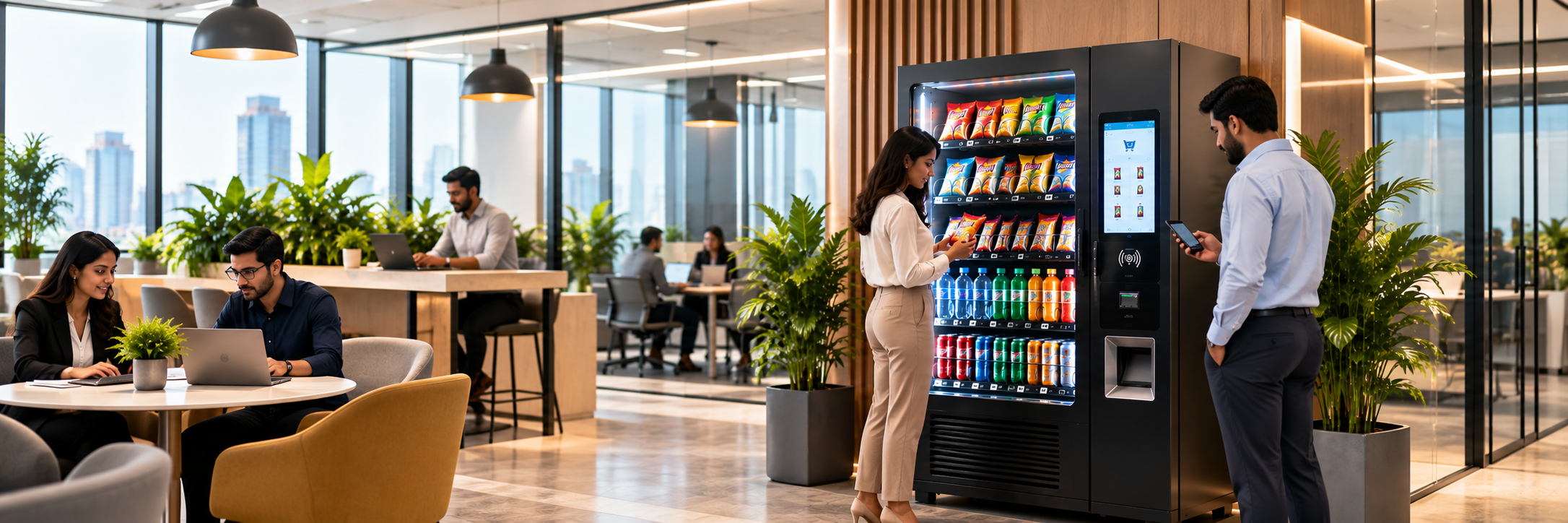
Vending machines have evolved beyond simple product dispensing. Modern systems can combine digital payment options, inventory visibility and machine monitoring to support a more convenient customer experience and more organised operations.
For businesses, the value of this technology is not limited to the purchase itself. It can also help operators understand stock movement, plan replenishment and maintain a clearer view of vending activity.
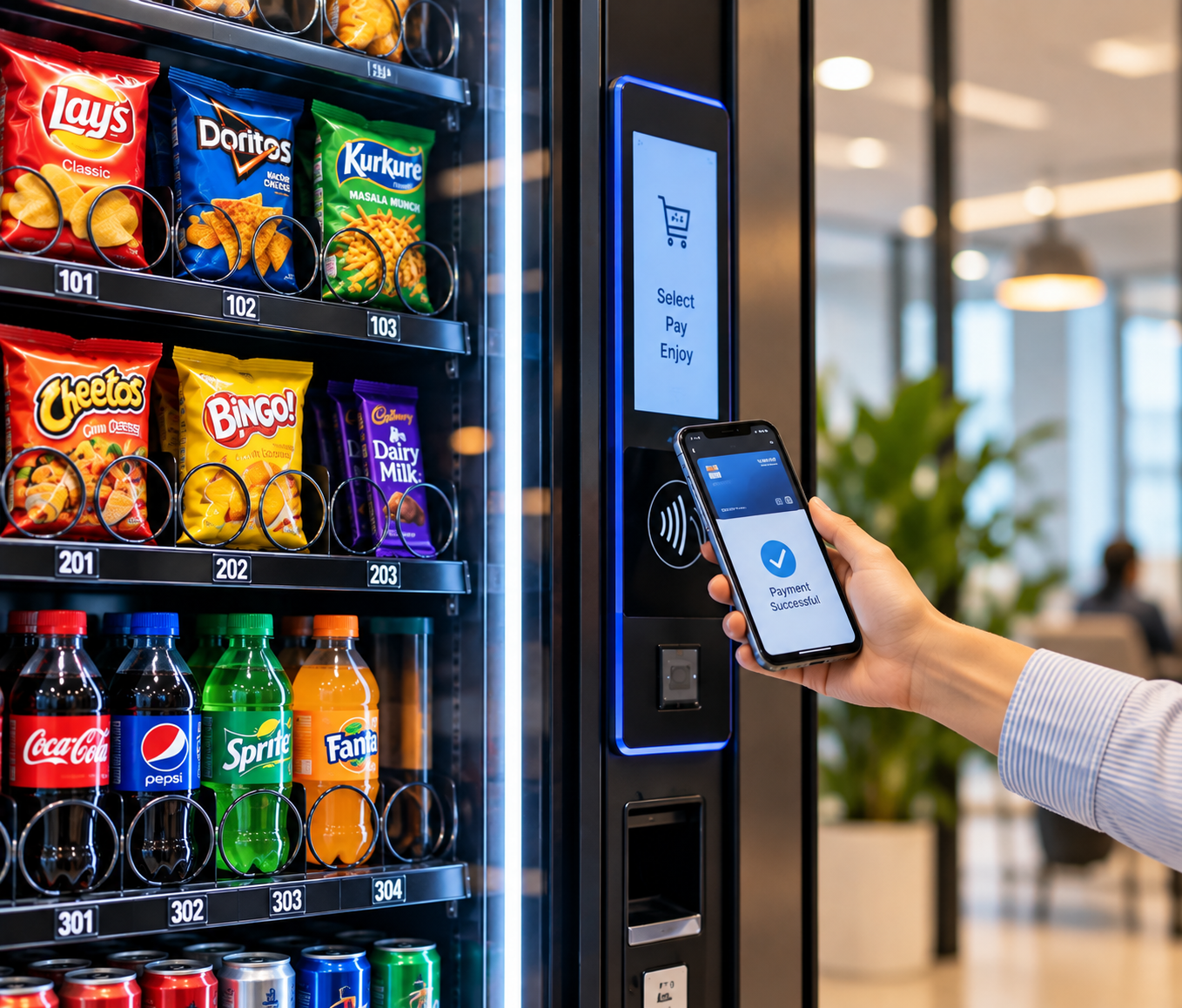
Cashless payment options allow customers to complete transactions without carrying exact change. Depending on the machine, payment methods may include QR based payments or other supported digital options.
A convenient payment process is especially useful in workplaces and campuses, where customers may want to make quick purchases between tasks or classes.
When evaluating a vending solution, businesses should confirm which payment methods are supported and how transaction issues are handled.
Product availability is central to the vending experience. A machine may be operational, but customers cannot purchase their preferred items if stock has run out.
Inventory tracking helps operators understand stock movement and identify products that may need replenishment. Where connected monitoring is available, this information can support better planning for refilling visits.
The exact level of visibility depends on the machine's capabilities and the operator's systems. Businesses should clarify whether stock information is updated automatically, manually or through a combination of methods.
Machine monitoring can help operators track aspects of vending activity and identify issues that require attention. Depending on the system, monitoring may cover machine status, transaction activity or other operational indicators.
This information can help teams coordinate service responses and manage multiple machines more systematically.
Monitoring does not eliminate every machine issue, so businesses should also understand the service process, response responsibilities and maintenance arrangements.
Product choices that work well in one location may not perform the same way elsewhere. An office with a large day shift may have different purchasing patterns from a factory operating around the clock.
Where reliable sales data is available, operators can review which products move regularly and which sell less frequently. These observations can inform assortment planning, subject to stock availability and business requirements.
Data should support decisions rather than replace local understanding. Feedback from employees, visitors and facility teams can also help refine the product mix.
Some vending solutions include refrigerated or temperature controlled compartments for products that require chilled storage.
For these machines, businesses should understand the equipment's temperature capabilities, monitoring arrangements and procedures for maintaining appropriate storage conditions. Requirements will vary by product and applicable food safety standards.
Not every vending machine supports chilled or frozen products, so equipment should be selected according to the intended assortment.
Operational reporting can bring together available information about sales, inventory and machine activity. Depending on the system, this may help operators compare product movement across locations and plan service activities.
Before selecting a solution, businesses should ask what reports are available, how frequently information is updated and who can access them.
Useful reporting should support clear operational decisions rather than create data that nobody uses.
Vendifresh's managed vending model brings technology into a broader operating process that can include product selection, inventory management, logistics, refilling and maintenance support.
Technology can help improve visibility, but consistent execution remains essential. Machines need suitable products, stock must be replenished and service issues need to be addressed through a defined operating process.
The combination of technology and operational support is what makes a vending solution useful beyond the initial installation.
Technology can make modern vending easier to use and easier to manage. Cashless payments support convenient purchases, inventory visibility helps inform replenishment and monitoring can give operators a clearer view of machine activity.
The right features depend on the location, product range and operating model. Businesses should assess the actual capabilities of a solution before assuming that every smart vending machine offers the same functionality.
Vendifresh is a technology-enabled automated retail company focused on making everyday food and beverages more accessible, convenient and available when people need them.
